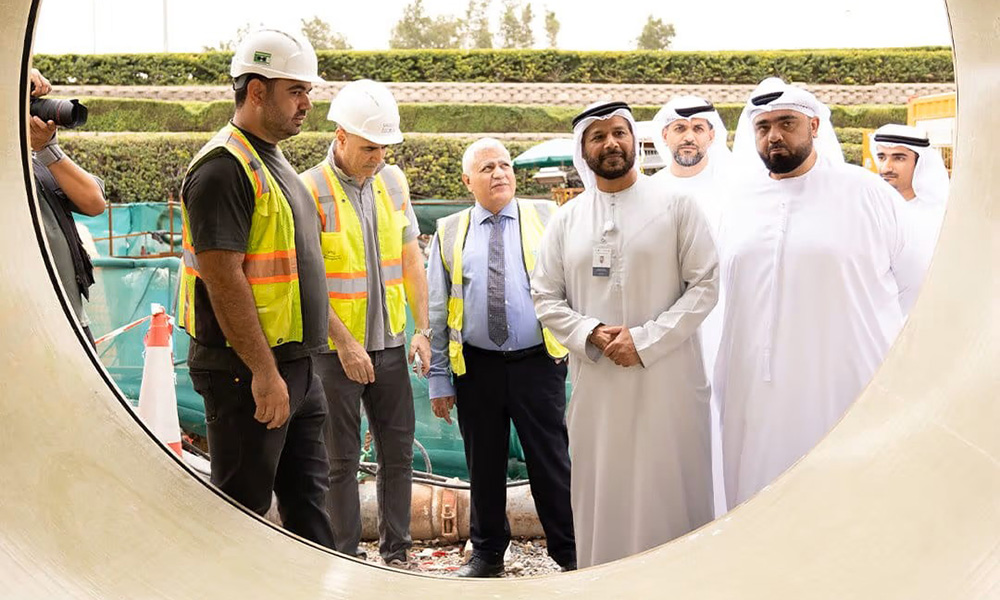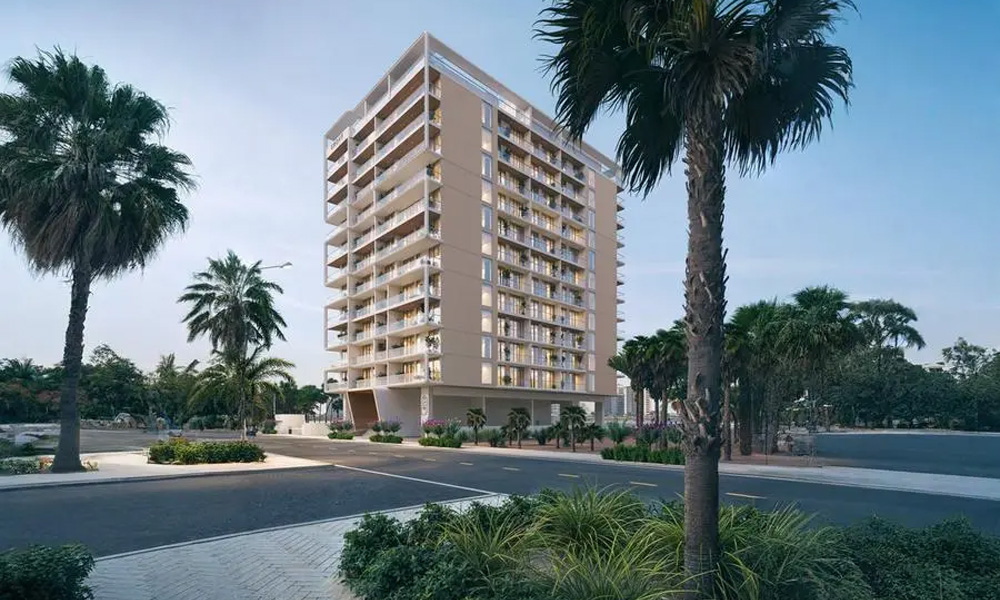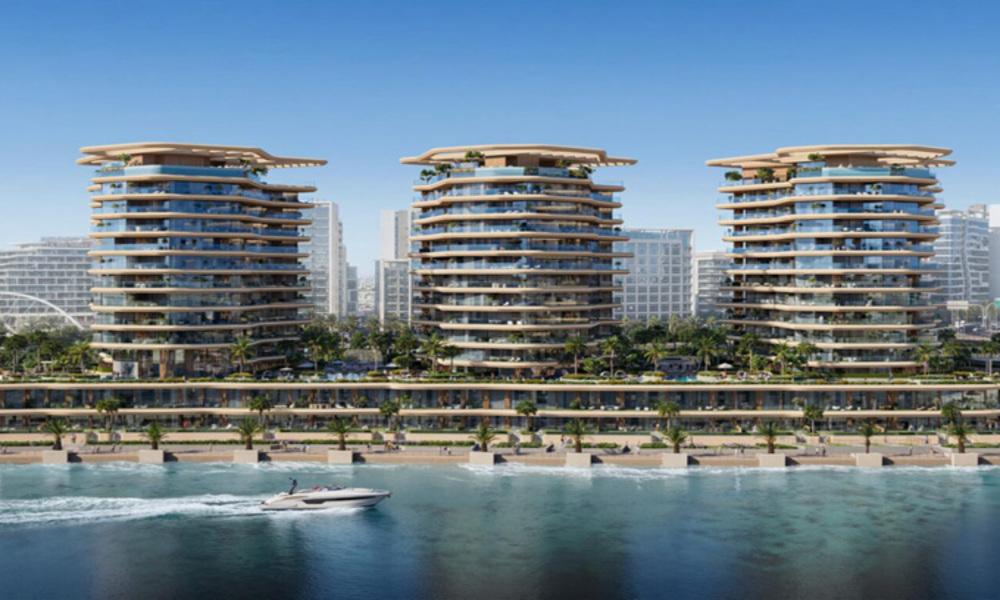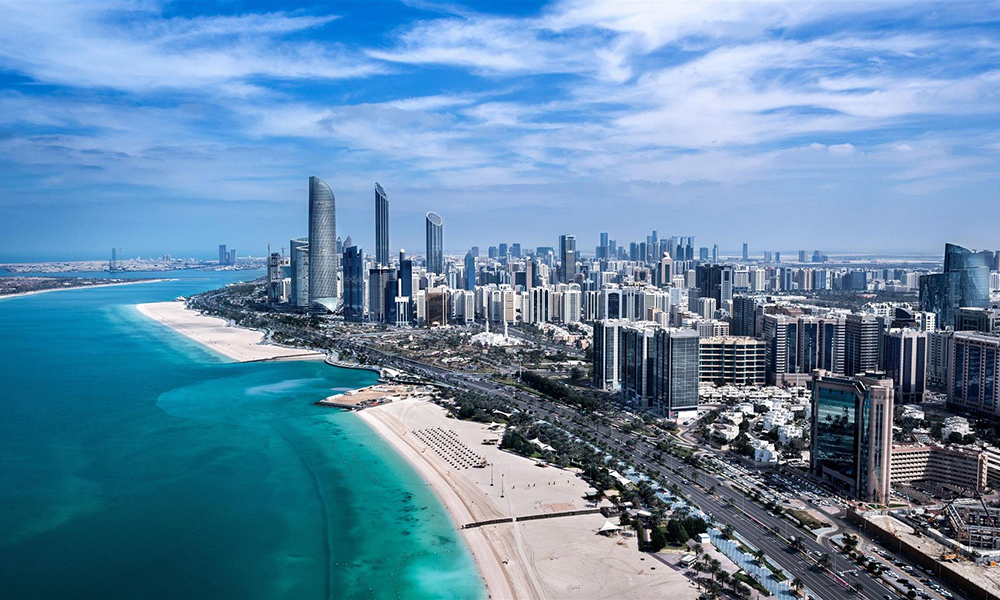
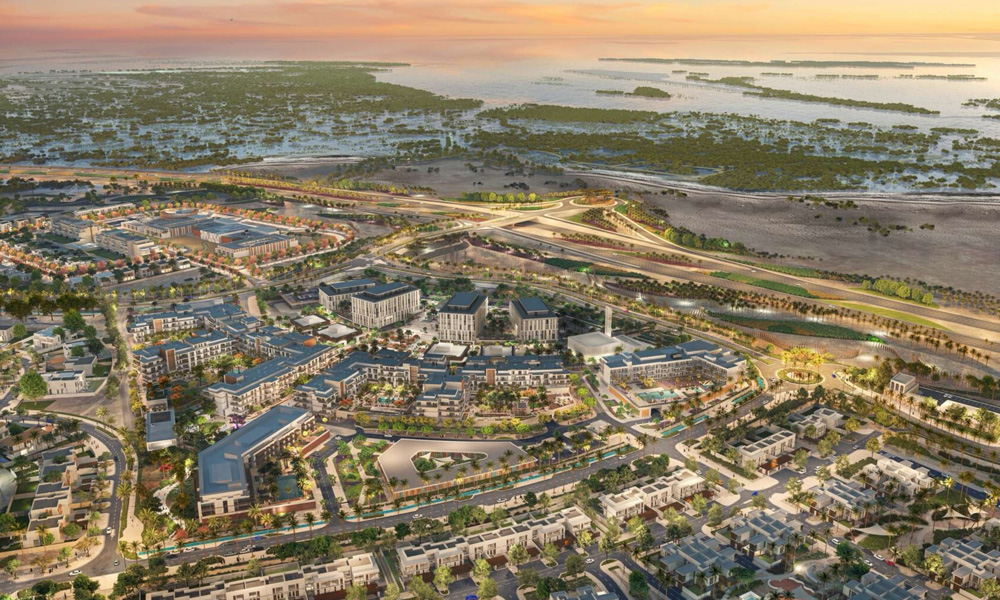
Following seasonal rainfall in the UAE, LEAD Development showcased its advanced water management system at Jubail Island. The system is said to demonstrate how thoughtfully designed infrastructure can transform natural conditions into long-term environmental and community value.
The island’s integrated water system, designed as part of LEAD’s commitment to sustainable and future-ready development, works closely with its natural environment. Instead of relying solely on traditional drainage networks, the system captures rainwater through strategically placed retention ponds throughout the landscape.
These ponds, thoughtfully incorporated into parks and public spaces, collect runoff during heavy rain. This helps minimise surface flooding and reduces strain on conventional drainage systems. Over time, the stored water gradually seeps into the ground, aiding groundwater recharge and supporting the growth of native vegetation across the island, the firm said.
This approach reflects a broader shift in Abu Dhabi’s development strategy. Infrastructure is increasingly being designed to enhance environmental resilience, while improving quality of life. At Jubail Island, this vision translates into a nature-led lifestyle. Residents are closely connected to their surroundings and experience the environment as a living ecosystem, it added.
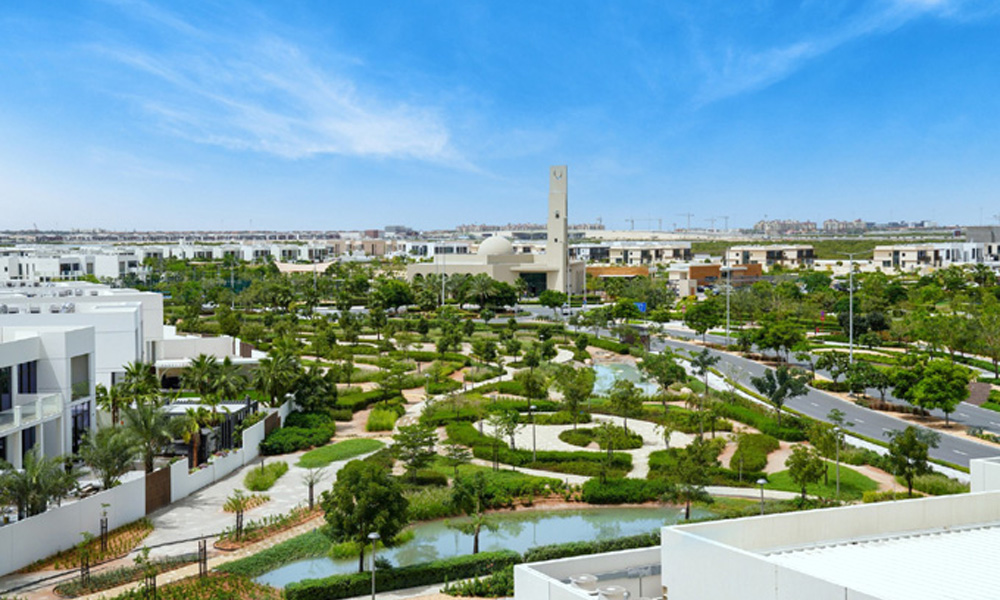
Beyond its role in flood management, the system offers tangible environmental advantages. By reducing dependence on treated water for irrigation and supporting the island’s mangrove habitats, it promotes resource efficiency and ecological conservation. Additionally, the integration of water features into public spaces enhances the visual appeal and overall experience of the community.
The water system is said to be a crucial component of Jubail Island’s comprehensive sustainability framework. This framework encompasses low-density planning, the preservation of natural habitats, and wellness-oriented design principles. These elements collectively establish a harmonious and resilient living environment.
As climate-conscious development gains prominence in the real estate sector, Jubail Island emerges as a remarkable example of how infrastructure can be re-imagined to provide immediate functionality, while ensuring long-term sustainability. This aligns with LEAD Development’s vision of constructing communities that are designed to thrive for generations.