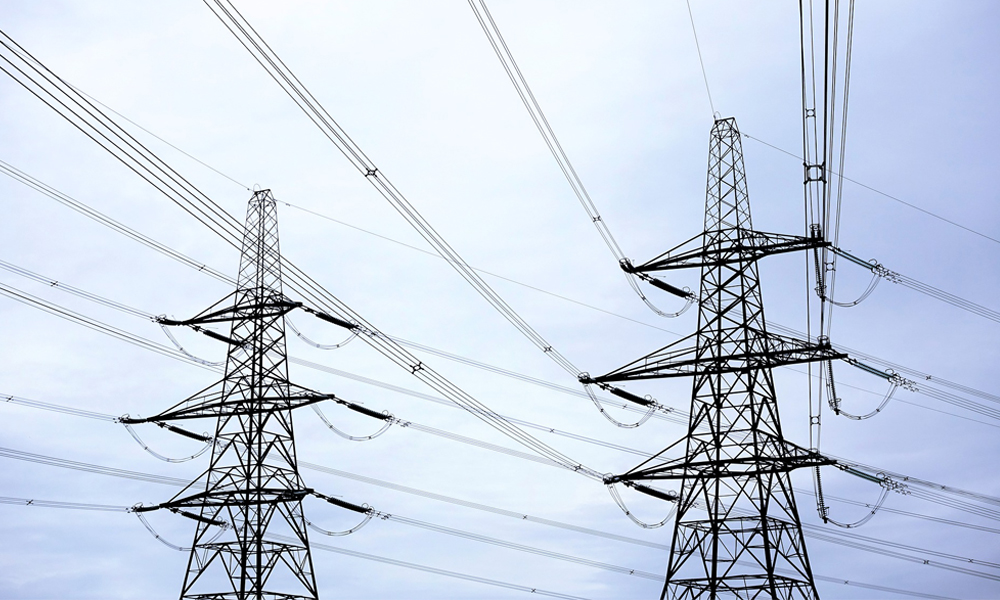
Oman Electricity Transmission Company (OETC) is implementing projects across the sultanate worth RO183m ($474m), under its strategic scheme ‘Rabt’. These include the construction of five grid stations as well as laying a network of 400-kilovolt overhead power lines.
This comes as part of OETC’s commitment to enhancing the reliability and security of the electricity network and supply across various regions of the sultanate.
Phase One of the project includes construction of the key grid stations: Nahida grid station with a voltage of 400/132 kilovolts; Suwayhat grid station with a voltage of 400/132 kilovolts; Barik grid station with a voltage of 400/132 kilovolts; Duqm grid station with a voltage of 400/132/33 kilovolts; and Mahout grid station with a voltage of 400/33 kilovolts.
Additionally, these projects are connected through a matrix of 400kV overhead lines, covering a total of 670 km. Commenced in October 2023, the total cost of the first phase of this project has exceeded 183 million Omani rials.
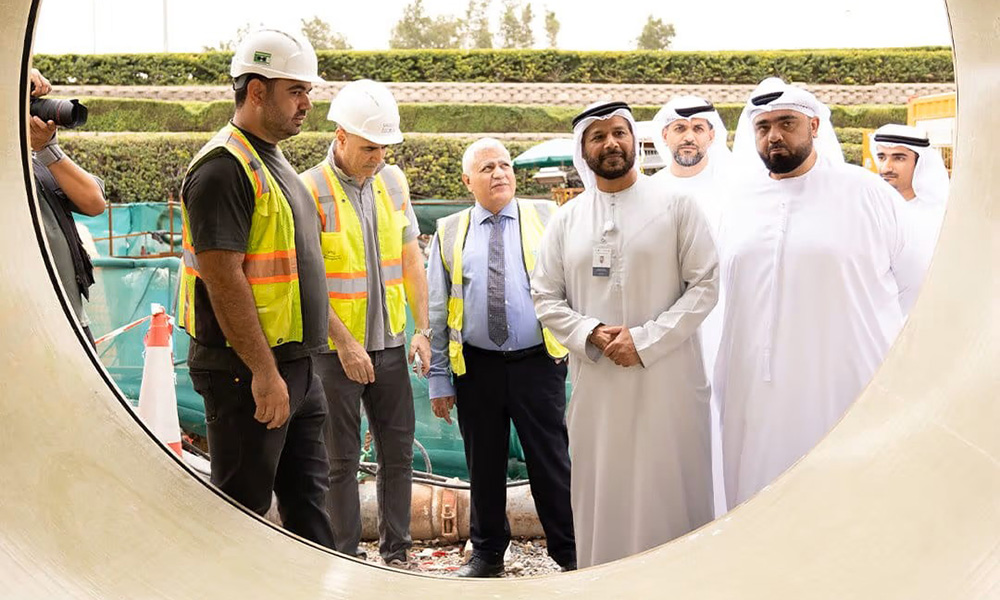
The official inauguration of Rabt Phase One was held under the patronage of Sayyid Bilarab bin Haitham Al Said at a key ceremony held in Oman Convention and Exhibition Centre (OETC).
OETC Chairman, Ahmed Amer Al Mahrzi lauded the significance of the project and its pivotal role in achieving progress and growth in the electricity sector specifically, and in all vital sectors in Oman as a whole. He commented: “The Rabt project is one of the national strategic projects that we rely on significantly. The project aims to enhance the efficiency, integration, and security of the national electricity transmission network, in addition to reducing harmful carbon emissions.
“It is expected that the reduction in carbon emissions will exceed 474,000 tonnes annually after closing 14 diesel-powered stations. This contributes to saving over 175 million litres of diesel annually and reducing costs by more than RO64 million.”